Complete Guide to finding trusted appraisal services in Richmond Hill
Complete Guide to finding trusted appraisal services in Richmond Hill
Blog Article
Full-Scale Real Estate Review: Improve Your Asset's Market Value
A comprehensive estate appraisal plays an essential role in establishing a property's worth, especially after the passing of a family member. It guarantees a fair distribution of assets among beneficiaries and helps in meeting financial obligations. Comprehending the multiple factors influencing valuation is important. Furthermore, choosing the right appraiser can greatly influence the result. With numerous considerations at play, how can property owners best ready themselves for this process?
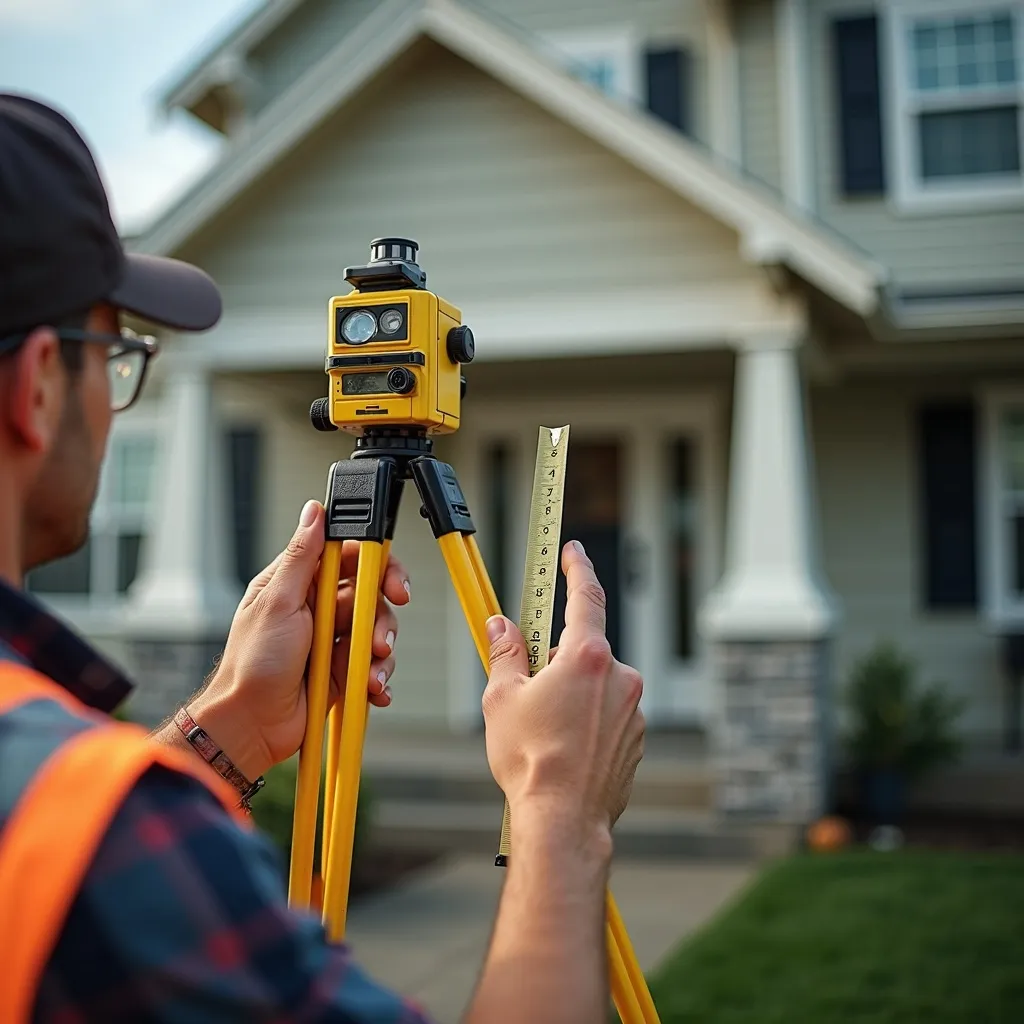
Grasping the Objective of an Estate Evaluation
An estate appraisal serves as an crucial instrument in assessing the value of a deceased person's assets. This process is vital for several purposes, primarily to facilitate the fair distribution of assets among inheritors and recipients. It offers a precise assessment that can assist in settling liabilities and taxes, guaranteeing that the property meets legal requirements. Additionally, an precise appraisal aids in minimizing conflicts among family members, thereby encouraging a smoother change during what is often a difficult time.
Furthermore, an valuation can also assist in detecting and documenting the resources for future generations. It establishes a benchmark value that can be referred to for possible future sales or taxation purposes. Ultimately, comprehending the purpose of an estate appraisal illustrates its importance in facilitating transparency and fairness in the management of a deceased person's estate, aiding diligent estate planning and execution.
Fundamental Criteria Influencing Real Estate Valuation
Several key factors considerably influence property valuation during an estate appraisal. Location and accessibility often establish a property's desirability, while the condition of the property itself can influence its overall worth. Additionally, market trends analysis offers understanding into current economic conditions that affect property values.
Setting and Accessibility
Location and availability play pivotal roles in establishing property valuation, shaping buyer interest and market trends. Properties located in desirable neighborhoods, close to amenities such as schools, shopping centers, and public transportation, generally fetch premium prices. Additionally, access to major roadways and employment hubs improves a property's appeal, making it more attractive to potential buyers. Areas with low crime rates and good school districts often see increased demand, further raising property values. Conversely, properties in remote locations or those with restricted access to essential services may experience decreased valuation. Understanding these factors allows sellers to strategically position their properties, boosting marketability and ensuring ideal returns on investment.
Property Physical Analysis
property appraisal.
Market Trends Assessment
Market trends play a pivotal role in determining property valuation, influencing buyer behavior and pricing strategies. Factors such as local economic conditions, employment rates, and demographic shifts significantly affect market demand. Additionally, interest rates and loan accessibility dictate how buyers approach property purchases. Seasonal trends often affect buyer activity, with certain periods experiencing higher sales volumes. Furthermore, neighborhood developments, such as new amenities or infrastructure projects, can improve property desirability. Understanding these dynamics allows appraisers and property owners to align their strategies accordingly. By closely tracking these trends, stakeholders can make well-reasoned choices, ensuring that property valuations reflect current market realities and maximizing potential returns. Ultimately, a thorough market trends analysis is essential for effective estate appraisal.
Instructions for Selecting a Experienced Appraiser
Selecting a experienced appraiser necessitates meticulous review of several key factors. Credentials and experience play an essential role, as does the appraiser's understanding of the local market. Moreover, understanding the evaluation approaches applied can substantially affect the exactness and credibility of the property valuation.
Credentials and Expertise
When looking for a competent appraiser, it is essential to assess their qualifications and experience, as these elements significantly impact the precision and reliability of the appraisal. A qualified appraiser typically possesses a relevant designation from a recognized professional organization, such as the Appraisal Institute or the American Society of Appraisers. Additionally, substantial experience in the field, particularly with the type of property being appraised, is essential. Potential buyers should inquire about the appraiser's history, including the number of appraisals completed and any specializations. It's also beneficial to check for continuing education, which demonstrates a commitment to staying current with industry standards and practices. Together, these components ensure a well-rounded professional capable of delivering accurate appraisals.
Local Business Know-how
Comprehending local market dynamics is paramount for appointing a qualified appraiser, as their localized expertise can greatly impact the appraisal's accuracy. An appraiser with broad knowledge of the regional property market will be better equipped to assess property values based on recent sales, community trends, and performance indicators. It is prudent to seek out appraisers who have worked in the specific locality for several years, as they will possess insights into unique factors determining property worth. Additionally, validating local certifications or memberships in relevant associations can further authenticate an appraiser's professionalism. Ultimately, choosing someone expert in regional market dynamics can yield a exceedingly accurate and beneficial property valuation.
The Valuation Approach Applied
The valuation procedure performed by a certified professional is a crucial component shaping property worth estimation. Appraisers generally utilize three main techniques: the sales comparison approach, the replacement cost method, and the income approach. The sales comparison approach examines comparable homes sold in recent years in the area, while the cost approach computes the outlay of reconstructing the property less depreciation. The income approach is commonly used for investment properties and determines potential income production. When hiring an appraiser, individuals must emphasize qualifications, such as certifications and professional experience. It is also important to evaluate their knowledge of local economic conditions and property types. A experienced appraiser can offer a comprehensive evaluation, ensuring accurate and beneficial property worth estimation for estate purposes.
Get Your Property Set for an Appraisal
Preparing a property for appraisal is crucial for obtaining an precise valuation. Homeowners should begin by ensuring that the property is tidy and free of clutter, which allows appraisers to see its full potential. Simple aesthetic enhancements, such as fresh paint or minor repairs, can greatly enhance appeal.
In addition, it is proposed to gather relevant paperwork, such as previous appraisals, tax assessments, and property disclosures, as these furnish valuable context for the appraiser. Landscaping should also be given attention; well-maintained gardens and lawns can generate a positive first impression.
Finally, property owners should be prepared to provide a list of unique features and upgrades, as these elements learn the facts may impact the overall value. By taking these steps, homeowners can streamline a easier appraisal process and possibly maximize their property's value.
Numerous common mistakes can hinder the estate appraisal process and potentially lead to inaccurate assessments. One common error is failing to provide complete and accurate property information. Incomplete information can affect the appraiser's understanding, causing errors in calculation. Another error is failing to take into account recent market trends and similar sales, which can greatly affect property values. Overlooking required maintenance or improvements also poses a challenge; property assessors must assess the current condition of the property's accurately.
In addition, relying exclusively on web-based assessment tools can mislead homeowners, as these instruments often miss local market nuances. Emotional ties to the real estate may cloud decision-making, leading to unrealistic assumptions concerning worth. Ultimately, not hiring a certified valuation professional can compromise the appraisal's integrity. By steering clear of these typical mistakes, property owners can ensure a more accurate and beneficial property appraisal.
Boost Your Property Worth Using These Techniques
Elevating property value requires a comprehensive plan that encompasses both visual and practical improvements. First, enhancing curb appeal is crucial; simple landscaping, fresh paint, and well-maintained walkways can make a strong initial impact. Inside, renovating kitchens and bathrooms often produces the highest returns. Modern fixtures and energy-efficient appliances can draw potential buyers.
Moreover, decluttering and presenting the home make it more attractive and allow prospective buyers to picture themselves living in the space. Investing in small fixes, such as repairing dripping taps or installing new floors, can also greatly increase desirability.
Moreover, embedding smart home technology presents a cutting-edge advantage that many buyers seek. Lastly, knowing local market patterns and pricing it strategically can situate the property in a favorable light. Through deploying these tactics, property owners can enhance their asset's value and guarantee a more favorable appraisal outcome.
Next Steps After Your Appraisal is Done?
After implementing strategies to enhance property value, the subsequent actions following an appraisal are vital. Property owners should carefully examine the appraisal report in detail, ensuring they understand the valuation and any factors influencing it. If problems or questions arise, it is important to resolve them quickly, possibly through a dialogue with the appraiser.
Next, owners should assess their financial objectives. Whether arranging to sell, refinance, or hold the property, matching strategies with the valuation conclusions is essential. For those disposing of the property, maximizing the appraisal value can establish pricing and advertising tactics efficiently.
Additionally, proprietors might consult real estate professionals for knowledge on market trends, confirming they capitalize on their property's value. Finally, staying informed about ongoing property improvements and market conditions can help maintain or enhance value over time, making the assessment report a foundational tool in extended property management and strategy.
Often Asked Questions
How Periodically Do I Need to Get My Estate Valued?
Experts recommend estate appraisals every three to five years, or after significant changes, such as renovations or market fluctuations. Regular assessments guarantee property values represent current conditions, aiding well-informed choices for owners and potential buyers.
Can I challenge an assessment amount I disagree with?
Yes, an homeowner can appeal an appraisal value they disagree with. This approach typically involves presenting evidence supporting their position, such as neighborhood sales or property condition, to the proper authority or appraisal board for examination.
What Papers Are Required for an Assessment?
To perform an appraisal, necessary paperwork typically include property deeds, previous appraisals, tax assessments, renovation records, and any relevant photographs. These materials help the appraiser precisely evaluate the property's current market value.
How long does an property valuation typically take?
An property valuation assessment typically demands between one to three hours, contingent upon the real estate's size and complexity. However, final assessments may require supplementary time for analysis and documentation before completion and delivery to the patron.
Will an Assessed Value Impact My Real Estate Taxes?
An appraisal value can significantly influence property taxes. Local tax authorities often use appraised values to calculate tax assessments, meaning a higher appraisal may result in increased property taxes, affecting the owner's financial burden.
Report this page